[{"CategoryId":271,"CategoryName":"By Series","ParentId":0,"Imageurl":""},{"CategoryId":272,"CategoryName":"By Size","ParentId":0,"Imageurl":""},{"CategoryId":273,"CategoryName":"By Number of Pins","ParentId":0,"Imageurl":""},{"CategoryId":274,"CategoryName":"By Application","ParentId":0,"Imageurl":""},{"CategoryId":275,"CategoryName":"By Wiring","ParentId":0,"Imageurl":""},{"CategoryId":276,"CategoryName":"Customization","ParentId":0,"Imageurl":""},{"CategoryId":277,"CategoryName":"By Material","ParentId":0,"Imageurl":""},{"CategoryId":278,"CategoryName":"LP Series","ParentId":271,"Imageurl":"2025/07/20250724101928371.jpg?TFDns7vliJcuYmlwLjI1NTUuanBn"},{"CategoryId":1319,"CategoryName":"SF Series","ParentId":271,"Imageurl":"2025/09/20250913181601452.jpg?U0Y2LTgtMTDlhajlrrbnpo8uanBn"},{"CategoryId":1245,"CategoryName":"SP Series","ParentId":271,"Imageurl":"2025/09/20250913181428839.jpg?U1AuanBn"},{"CategoryId":279,"CategoryName":"Self Locking Series","ParentId":271,"Imageurl":"2024/09/20240905134920982.png?U2VsZiBMb2NraW5nIFNlcmllcw=="},{"CategoryId":280,"CategoryName":"Waterproof Cable Connector","ParentId":271,"Imageurl":"2024/09/20240905142754587.png?V2F0ZXJwcm9vZiBDYWJsZSBDb25uZWN0b3I="},{"CategoryId":281,"CategoryName":"Junction Box","ParentId":271,"Imageurl":"2024/09/20240905155939966.png?5o6l57q/55uS57O75YiXIDYxM3g2MTMucG5n"},{"CategoryId":1222,"CategoryName":"Cable Gland","ParentId":271,"Imageurl":"2025/03/20250320135315907.jpg?Y2FibGUtZ2xhbmQuanBn"},{"CategoryId":282,"CategoryName":"Energy Storage Connector","ParentId":271,"Imageurl":"2024/09/20240905143234262.png?RW5lcmd5IFN0b3JhZ2UgQ29ubmVjdG9y"},{"CategoryId":1161,"CategoryName":"PV Connector","ParentId":271,"Imageurl":"2024/09/20240905143119031.png?UFYgQ29ubmVjdG9y"},{"CategoryId":1541,"CategoryName":"M32","ParentId":272,"Imageurl":""},{"CategoryId":1351,"CategoryName":"M29","ParentId":272,"Imageurl":""},{"CategoryId":1170,"CategoryName":"M28","ParentId":272,"Imageurl":"2024/12/20241204113448729.png?TTI4IGVsZWN0cmljYWwgY29ubmVjdG9y"},{"CategoryId":1169,"CategoryName":"M25","ParentId":272,"Imageurl":"2024/12/20241204113352959.png?TTI1IGNpcmN1bGFyIHBsYXN0aWMgd2lyZSBjb25uZWN0b3I="},{"CategoryId":319,"CategoryName":"M24","ParentId":272,"Imageurl":"2024/12/20241204113237802.png?TTI0IEluZHVzdHJpYWwgd2F0ZXJwcm9vZiBjb25uZWN0b3I="},{"CategoryId":1168,"CategoryName":"M23","ParentId":272,"Imageurl":"2024/12/20241204112141563.png?TTIzIHdhdGVycHJvb2YgcGx1ZyBjb25uZWN0b3Jz"},{"CategoryId":1350,"CategoryName":"M21","ParentId":272,"Imageurl":""},{"CategoryId":318,"CategoryName":"M20","ParentId":272,"Imageurl":"2024/12/20241204112034702.png?TTIwIGNpcmN1bGFyIGNvbm5lY3Rvcg=="},{"CategoryId":1167,"CategoryName":"M19","ParentId":272,"Imageurl":"2024/12/20241204111937164.png?TTE5IHdhdGVycHJvb2Ygd2lyZSBjb25uZWN0b3Jz"},{"CategoryId":1349,"CategoryName":"M17","ParentId":272,"Imageurl":""},{"CategoryId":293,"CategoryName":"M16","ParentId":272,"Imageurl":"2024/12/20241204111827969.png?TTE2IGVsZWN0cmljYWwgY29ubmVjdG9y"},{"CategoryId":1166,"CategoryName":"M15","ParentId":272,"Imageurl":"2024/12/20241204111717740.png?TTE1IG1hbGUgYW5kIGZlbWFsZSBjb25uZWN0b3Jz"},{"CategoryId":1348,"CategoryName":"M13","ParentId":272,"Imageurl":""},{"CategoryId":292,"CategoryName":"M12","ParentId":272,"Imageurl":"2024/12/20241204111548642.png?TTEyIFdhdGVycHJvb2YgTTEyIENvbm5lY3Rvcg=="},{"CategoryId":1347,"CategoryName":"M10","ParentId":272,"Imageurl":""},{"CategoryId":1346,"CategoryName":"M8","ParentId":272,"Imageurl":""},{"CategoryId":1345,"CategoryName":"M6","ParentId":272,"Imageurl":""},{"CategoryId":335,"CategoryName":"TYPE-C","ParentId":273,"Imageurl":"2024/08/20240803175816209.jpg?TFAxNi1UWVBFLUPph5HlsZ7ms5XlhbAuanBn"},{"CategoryId":334,"CategoryName":"Fiber","ParentId":273,"Imageurl":"2024/07/20240730100446602.png?TFAyNC1GSUJFUig2KSAyMDB4MjAwIC0g5Ymv5pysLnBuZw=="},{"CategoryId":333,"CategoryName":"HDMI","ParentId":273,"Imageurl":"2024/07/20240730100616849.png?TFAyNC1IRE1JKDYpIDIwMHgyMDAgLSDlia/mnKwucG5n"},{"CategoryId":332,"CategoryName":"USB","ParentId":273,"Imageurl":"2024/07/20240730100646405.png?TFAyNC1VU0IoNikgMjAweDIwMCAtIOWJr+acrC5wbmc="},{"CategoryId":331,"CategoryName":"RJ45","ParentId":273,"Imageurl":"2024/07/20240730100713409.png?TFAyNC1SSjQ1KDYpIDIwMHgyMDAgLSDlr7nmjqUucG5n"},{"CategoryId":1335,"CategoryName":"26 Pins","ParentId":273,"Imageurl":"2025/09/20250908170725350.jpg?U1AyOS0yNlDkuKTlrZTluqfmraPoo4UgODAweDgwMC5qcGc="},{"CategoryId":330,"CategoryName":"24 Pins","ParentId":273,"Imageurl":"2024/07/20240730101220115.jpg?TFAyNC0yNFDpnaLmnb/ph5HlsZ7lj43oo4XmrL4uanBn"},{"CategoryId":1334,"CategoryName":"20 Pins","ParentId":273,"Imageurl":"2025/09/20250908170702461.jpg?U0YyOC0yMFDpnaLmnb8gODAweDgwMC5qcGc="},{"CategoryId":329,"CategoryName":"19 Pins","ParentId":273,"Imageurl":"2024/07/20240730101243254.jpg?TFAyNC0xOVDlr7nmj5Lph5HlsZ7lj43oo4XmrL4uanBn"},{"CategoryId":1333,"CategoryName":"18 Pins","ParentId":273,"Imageurl":"2025/09/20250908170641433.jpg?U0YyOC0xOFDlr7nmjqUgODAweDgwMC5qcGc="},{"CategoryId":1344,"CategoryName":"17 Pins","ParentId":273,"Imageurl":""},{"CategoryId":1332,"CategoryName":"16 Pins","ParentId":273,"Imageurl":"2025/09/20250908170620266.jpg?U0YyOC0xNlDpnaLmnb/luqflj43oo4UgODAweDgwMC5qcGc="},{"CategoryId":1215,"CategoryName":"14 Pins","ParentId":273,"Imageurl":"2024/08/20240808120100973.jpg?TFAyMC0xNFDms5XlhbDph5HlsZ7mraPoo4UuanBn"},{"CategoryId":328,"CategoryName":"12 Pins","ParentId":273,"Imageurl":"2024/07/20240730101400996.png?TFAyNC0xMlDms5XlhbDloZHmlpnlj43oo4XmrL4ucG5n"},{"CategoryId":327,"CategoryName":"10 Pins","ParentId":273,"Imageurl":"2024/07/20240730101422023.jpg?TFAyNC0xMFDlr7nmj5Lph5HlsZ7lj43oo4XmrL4uanBn"},{"CategoryId":326,"CategoryName":"9 Pins","ParentId":273,"Imageurl":"2024/07/20240730101545901.jpg?TFAyMC05UC3lr7nmj5ItMy5qcGc="},{"CategoryId":325,"CategoryName":"8 Pins","ParentId":273,"Imageurl":"2024/07/20240730101729864.jpg?TFAxNi04UOmdouadv0zph5HlsZ7mraPoo4UuanBn"},{"CategoryId":324,"CategoryName":"7 Pins","ParentId":273,"Imageurl":"2024/07/20240730101805407.jpg?TFAxNi03UOazleWFsFDph5HlsZ7mraPoo4UuanBn"},{"CategoryId":323,"CategoryName":"6 Pins","ParentId":273,"Imageurl":"2024/07/20240730101848277.png?TFAxMi02UCDlj43oo4UgMi5wbmc="},{"CategoryId":322,"CategoryName":"5 Pins","ParentId":273,"Imageurl":"2024/07/20240730102001465.jpg?TFAyNC01UOWFrOaPklPph5HlsZ7lj43oo4XplIHnur/mrL4uanBn"},{"CategoryId":321,"CategoryName":"4 Pins","ParentId":273,"Imageurl":"2024/07/20240730102053511.png?TFAyMC00UOazleWFsOWhkeaWmeato+ijhS5wbmc="},{"CategoryId":320,"CategoryName":"3 Pins","ParentId":273,"Imageurl":"2024/07/20240730102122414.jpg?TFAyOC0zUOWvueaPkuWhkeaWmeato+ijhS5qcGc="},{"CategoryId":295,"CategoryName":"2 Pins","ParentId":273,"Imageurl":"2024/07/20240730102152158.jpg?TFAyOC0yUOazleWFsOWhkeaWmeato+ijhS5qcGc="},{"CategoryId":294,"CategoryName":"1 Pin","ParentId":273,"Imageurl":"2024/12/20241202141836844.png?ZW5lcmd5IHN0b3JhZ2UgY29ubmVjdG9y"},{"CategoryId":296,"CategoryName":"Power Connector","ParentId":274,"Imageurl":"2024/08/20240803175721975.jpg?TFAxNi00UCg5KS5qcGc="},{"CategoryId":315,"CategoryName":"Signal Connector","ParentId":274,"Imageurl":"2024/07/20240730133750759.png?TFAyNC1SSjQ1KDYpIDIwMHgyMDAgLSDlia/mnKwucG5n"},{"CategoryId":297,"CategoryName":"Data Connector","ParentId":274,"Imageurl":"2024/07/20240730093457270.png?TFAyNC1VU0IoNikgMjAweDIwMCAtIOWJr+acrC5wbmc="},{"CategoryId":338,"CategoryName":"Crimping Type","ParentId":275,"Imageurl":"2024/12/20241202143025954.png?TFAxMi0yUOWvueaPkumHkeWxnuato+ijhSA3NTB4NzUwLnBuZw=="},{"CategoryId":336,"CategoryName":"Solder Type","ParentId":275,"Imageurl":"2024/12/20241202142826795.png?TFAyNC0y6Iqv54SK5o6l5aGR5paZ5qy+5rOV5YWw5Y+N6KOFc2t1LnBuZw=="},{"CategoryId":337,"CategoryName":"Screw Type","ParentId":275,"Imageurl":"2024/12/20241202142506193.png?TFAxMi0yUOazleWFsFDph5HlsZ7plIHnur/lj43oo4UucG5n"},{"CategoryId":298,"CategoryName":"Screwless Type","ParentId":275,"Imageurl":"2024/05/20240529162027688.jpg?5b+r5o6l57O75YiXLmpwZw=="},{"CategoryId":301,"CategoryName":"Mix Pins","ParentId":276,"Imageurl":"2024/07/20240730102324120.jpg?TFAyOC0zUOazleWFsOWhkeaWmeato+ijhS0xLmpwZw=="},{"CategoryId":1330,"CategoryName":"Color","ParentId":276,"Imageurl":""},{"CategoryId":317,"CategoryName":"Metal + Plastic","ParentId":277,"Imageurl":"2024/08/20240803180032739.jpg?TFAxMi00UOazleWFsOmHkeWxnuWPjeijhS5qcGc="},{"CategoryId":316,"CategoryName":"All Metal","ParentId":277,"Imageurl":"2024/11/20241121135153910.png?TFAxMi0yUOazleWFsOasvumUgee6vy5wbmc="},{"CategoryId":300,"CategoryName":"All Plastic","ParentId":277,"Imageurl":"2024/08/20240803180224853.png?TFAxMi00UCDlj43oo4UgNy5wbmc="},{"CategoryId":287,"CategoryName":"LP12","ParentId":278,"Imageurl":"2024/12/20241203141919861.png?TFAxMiBlbGVjdHJpY2FsIHdhdGVycHJvb2YgY29ubmVjdG9ycw=="},{"CategoryId":283,"CategoryName":"LP16","ParentId":278,"Imageurl":"2024/12/20241203141926793.png?TFAxNiB3YXRlcnByb29mIHBsdWcgY29ubmVjdG9ycw=="},{"CategoryId":286,"CategoryName":"LP20","ParentId":278,"Imageurl":"2024/12/20241203140522654.png?TFAyMCBJbmR1c3RyaWFsIHdhdGVycHJvb2YgY29ubmVjdG9y"},{"CategoryId":285,"CategoryName":"LP24","ParentId":278,"Imageurl":"2024/12/20241203140638274.jpg?TFAyNCB3YXRlcnByb29mIHBsdWcgY29ubmVjdG9ycw=="},{"CategoryId":284,"CategoryName":"LP28","ParentId":278,"Imageurl":"2024/12/20241203140831377.png?TFAyOCBXYXRlcnByb29mIENhYmxlIENvbm5lY3Rvcg=="},{"CategoryId":1540,"CategoryName":"LP32","ParentId":278,"Imageurl":"2026/04/20260416174331064.jpg?TFAzMi3lhajlrrbnpo8t5Li75Zu+LjgyNjdf5riy5p+T5bGCIDQuanBn"},{"CategoryId":303,"CategoryName":"M15MP/MF","ParentId":279,"Imageurl":"2024/07/20240730095659595.jpg?TTE1TUYtM1AuanBn"},{"CategoryId":304,"CategoryName":"M19MP/MF","ParentId":279,"Imageurl":"2024/07/20240730095626837.jpg?6Z2i5p2/55m95bqVIC0g5Ymv5pysLmpwZw=="},{"CategoryId":305,"CategoryName":"M23MP/MF","ParentId":279,"Imageurl":"2024/07/20240730095548936.jpg?RVctTTIzTVA="},{"CategoryId":307,"CategoryName":"M28MP/MF","ParentId":279,"Imageurl":"2024/07/20240730095408770.jpg?RVctTTI4TVA="},{"CategoryId":306,"CategoryName":"P25MP/MF","ParentId":279,"Imageurl":"2024/07/20240729185729105.png?UDI1LS3oiq/mlbAt5aSW57q/55u05b6E5Zu+IDIwMHgyMDAucG5n"},{"CategoryId":1209,"CategoryName":"P23MP/MF","ParentId":279,"Imageurl":"2024/07/20240730100244127.png?UDIzLnBuZw=="},{"CategoryId":302,"CategoryName":"Screw Connector Series","ParentId":280,"Imageurl":"2024/12/20241203142740551.png?U2NyZXcgQ29ubmVjdG9yIFNlcmllcw=="},{"CategoryId":289,"CategoryName":"Screwless Connector Series","ParentId":280,"Imageurl":"2024/09/20240905144436844.png?U2NyZXdsZXNzIENvbm5lY3RvciBTZXJpZXM="},{"CategoryId":290,"CategoryName":"2068 Serie","ParentId":281,"Imageurl":"2024/07/20240730094848584.png?RVctTTIwNjgtNVQucG5n"},{"CategoryId":1536,"CategoryName":"2068N Serie","ParentId":281,"Imageurl":"2026/01/20260116110540406.png?TTIwNjhOLTJUICAoMikucG5n"},{"CategoryId":1538,"CategoryName":"2068R Serie","ParentId":281,"Imageurl":"2026/02/20260206151256783.png?RVctTTIwNjhSLTFUICgxKS5wbmc="},{"CategoryId":308,"CategoryName":"2068S Serie","ParentId":281,"Imageurl":"2024/07/20240729190104148.jpg?55m95bqVMy5qcGc="},{"CategoryId":309,"CategoryName":"2068L Serie","ParentId":281,"Imageurl":"2024/07/20240729190043564.jpg?55m95bqVMi5qcGc="},{"CategoryId":310,"CategoryName":"2068XL Serie","ParentId":281,"Imageurl":"2024/07/20240730094724530.jpg?MTAuanBn"},{"CategoryId":1159,"CategoryName":"350A","ParentId":282,"Imageurl":"2024/07/20240729190329212.jpg?RTMwMC0zNTDlj6/ml4vovazlhYnlrZTpk5zmjpLmqZnoibLlpZfoo4VTS1UuanBn"},{"CategoryId":1158,"CategoryName":"300A","ParentId":282,"Imageurl":"2024/07/20240729190349998.jpg?RTMwMOS4jeWPr+aXi+i9rOWFieWtlOmTnOaOkum7keiJsuWll+ijhVNLVS5qcGc="},{"CategoryId":341,"CategoryName":"250A","ParentId":282,"Imageurl":"2024/07/20240729190408955.jpg?RTEwMC0yNTDlj6/ml4vovazonrrmn7HmqZnoibLlpZfoo4VTS1UuanBn"},{"CategoryId":340,"CategoryName":"200A","ParentId":282,"Imageurl":"2024/07/20240729190435882.jpg?RTI1MOS4jeWPr+aXi+i9rOieuuafsem7keiJsuWll+ijhVNLVS5qcGc="},{"CategoryId":339,"CategoryName":"150A","ParentId":282,"Imageurl":"2024/07/20240729190456384.jpg?RTEwMC0yNTDlj6/ml4vovazlhYnlrZTpk5zmjpLmqZnoibLlpZfoo4VTS1UuanBn"},{"CategoryId":311,"CategoryName":"120A","ParentId":282,"Imageurl":"2024/07/20240729190538607.jpg?RTI1MOS4jeWPr+aXi+i9rOWFieWtlOmTnOaOkum7keiJsuWll+ijhVNLVS5qcGc="},{"CategoryId":312,"CategoryName":"100A","ParentId":282,"Imageurl":"2024/07/20240729190551775.jpg?RTEwMC0yNTDkuI3lj6/ml4vovazonrrmn7HmqZnoibLlpZfoo4VTS1UuanBn"},{"CategoryId":313,"CategoryName":"70A","ParentId":282,"Imageurl":"2024/07/20240729190619040.jpg?RTUw5Y+v5peL6L2s5YWJ5a2U6ZOc5o6S6buR6Imy5aWX6KOFU0tVXy5qcGc="},{"CategoryId":314,"CategoryName":"50A","ParentId":282,"Imageurl":"2024/07/20240729190633170.jpg?RTUwLTcw5LiN5Y+v5peL6L2s5YWJ5a2U6ZOc5o6S5qmZ6Imy5aWX6KOFU0tVLmpwZw=="},{"CategoryId":1533,"CategoryName":"LP20","ParentId":298,"Imageurl":""},{"CategoryId":1526,"CategoryName":"M25B","ParentId":298,"Imageurl":""},{"CategoryId":299,"CategoryName":"P25","ParentId":298,"Imageurl":"2024/05/20240529162134233.jpg?UDIzLjIuanBn"},{"CategoryId":1531,"CategoryName":"P23","ParentId":298,"Imageurl":""},{"CategoryId":1107,"CategoryName":"P20","ParentId":298,"Imageurl":"2024/09/20240909134224415.png?UDIwLS3oiq/mlbAt5aSW57q/55u05b6E5Zu+LSA2MTN4NjEzLnBuZw=="},{"CategoryId":1530,"CategoryName":"P25X","ParentId":298,"Imageurl":""},{"CategoryId":1529,"CategoryName":"P25T","ParentId":298,"Imageurl":""},{"CategoryId":1528,"CategoryName":"P20X","ParentId":298,"Imageurl":""},{"CategoryId":1527,"CategoryName":"P20T","ParentId":298,"Imageurl":""},{"CategoryId":1165,"CategoryName":"65A","ParentId":1161,"Imageurl":"2024/07/20240729190717746.jpg?MTBtbcKy6Z2i5p2/5bel5YW36Kej6ZSB5YWs5o+S5aS0LmpwZw=="},{"CategoryId":1164,"CategoryName":"45A","ParentId":1161,"Imageurl":"2024/07/20240729190731167.jpg?Nm1twrLnur/nq6/lt6Xop6PplIHlhazmj5LlpLQuanBn"},{"CategoryId":1163,"CategoryName":"35A","ParentId":1161,"Imageurl":"2024/07/20240729190743086.jpg?NG1twrLnur/nq6/lt6Xlhbfop6PplIHlhazmj5LlpLQuanBn"},{"CategoryId":1201,"CategoryName":"25A","ParentId":1161,"Imageurl":"2024/07/20240729190756464.jpg?Mi41bW3Csue6v+err+W3peWFt+ino+mUgeWFrOaPkuWktC5qcGc="},{"CategoryId":1223,"CategoryName":"PG Metal Series","ParentId":1222,"Imageurl":""},{"CategoryId":1243,"CategoryName":"PG Plastic Series","ParentId":1222,"Imageurl":""},{"CategoryId":1224,"CategoryName":"M Metal Series","ParentId":1222,"Imageurl":""},{"CategoryId":1244,"CategoryName":"M Plastic Series","ParentId":1222,"Imageurl":""},{"CategoryId":1247,"CategoryName":"SP13","ParentId":1245,"Imageurl":""},{"CategoryId":1246,"CategoryName":"SP17","ParentId":1245,"Imageurl":""},{"CategoryId":1327,"CategoryName":"SP21","ParentId":1245,"Imageurl":""},{"CategoryId":1326,"CategoryName":"SP29","ParentId":1245,"Imageurl":""},{"CategoryId":1320,"CategoryName":"SF6","ParentId":1319,"Imageurl":""},{"CategoryId":1321,"CategoryName":"SF8","ParentId":1319,"Imageurl":""},{"CategoryId":1328,"CategoryName":"SF10","ParentId":1319,"Imageurl":""},{"CategoryId":1322,"CategoryName":"SF12","ParentId":1319,"Imageurl":""},{"CategoryId":1323,"CategoryName":"SF16","ParentId":1319,"Imageurl":""},{"CategoryId":1324,"CategoryName":"SF20","ParentId":1319,"Imageurl":""},{"CategoryId":1325,"CategoryName":"SF28","ParentId":1319,"Imageurl":""}]
How IP68 Waterproof Connectors Protect Outdoor Lighting Connections-Lighting Industry
How IP68 Waterproof Connectors Protect Outdoor Lighting Connections
Outdoor lighting systems are often designed around the visible components: LED luminaires, poles, drivers, solar panels and control systems. But one of the less visible parts of the installation can have a major impact on long-term reliability—the cable connection.
A lighting system may operate normally during installation and commissioning, yet develop problems months later after repeated exposure to rain, humidity, dust, temperature changes and maintenance activities. In many cases, the connection point becomes one of the areas that engineers and installers need to consider carefully.
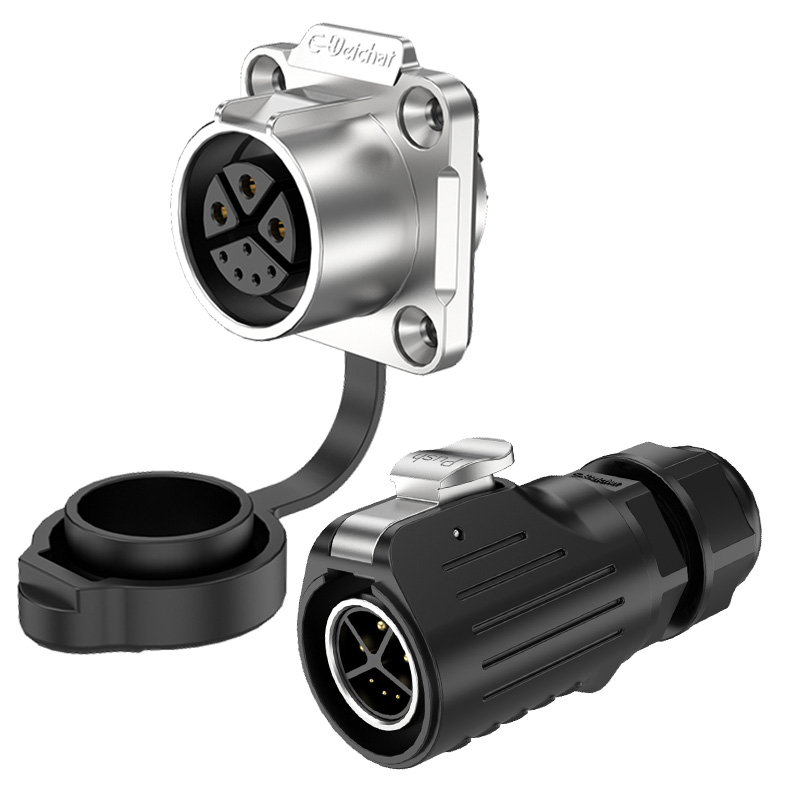
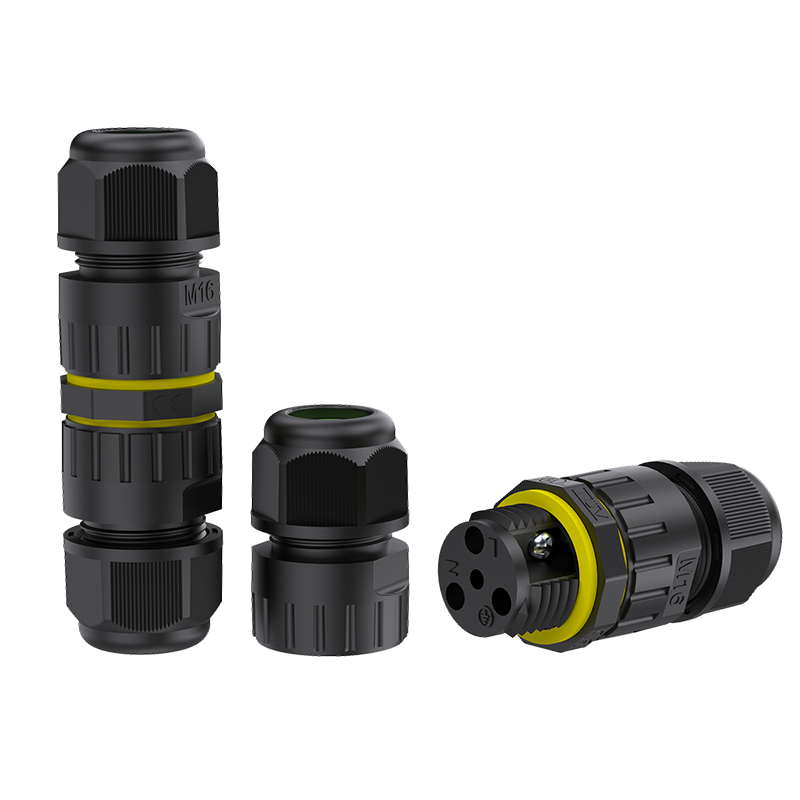
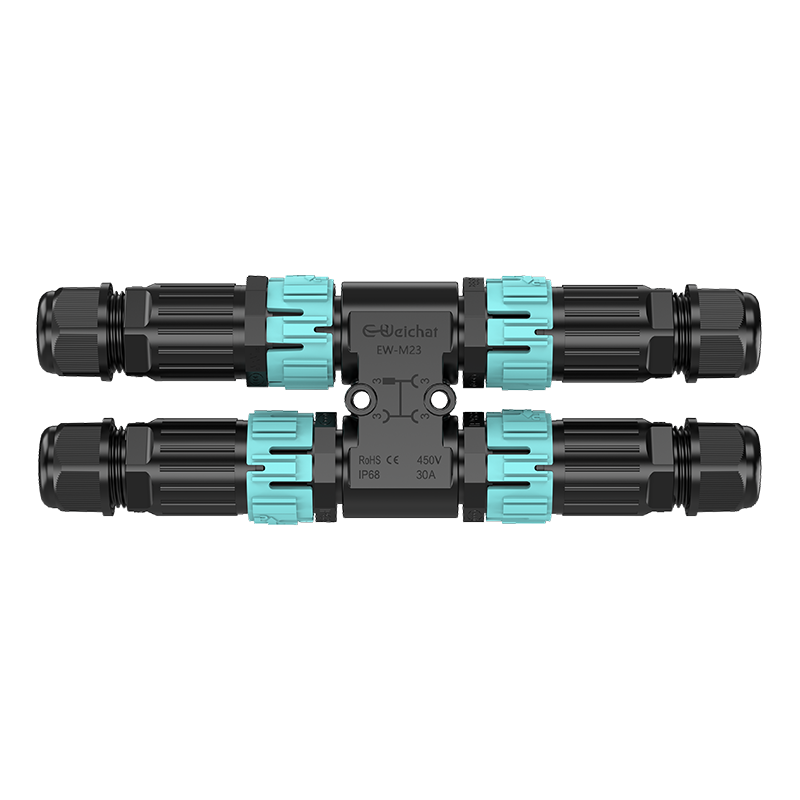
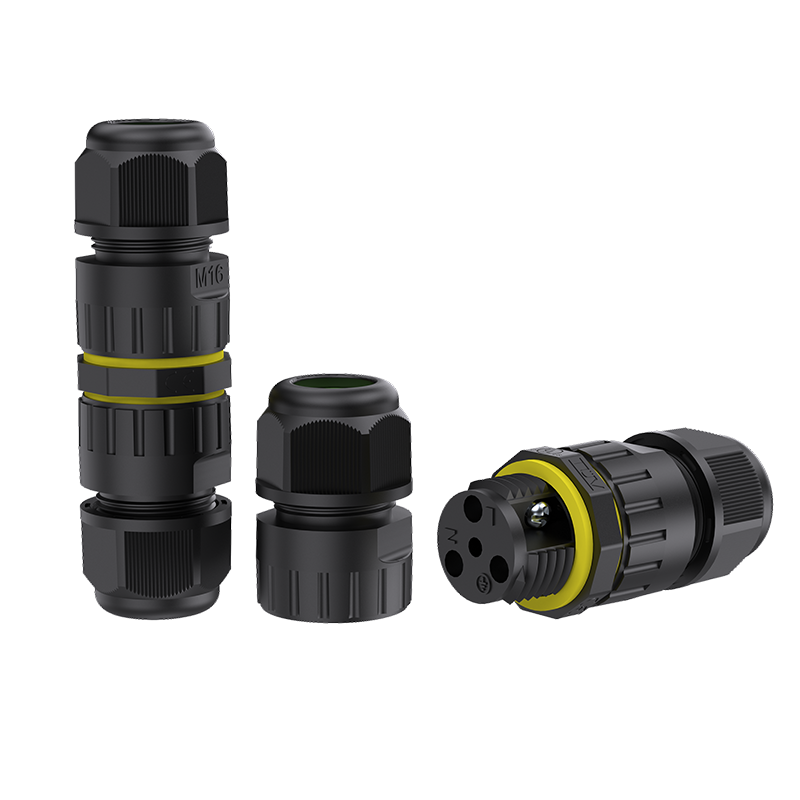
This is where an IP68 waterproof connector can become an important part of an outdoor lighting installation. When correctly selected and assembled, a sealed connector can help protect electrical connections against environmental exposure while providing a practical interface for installation and maintenance.
For outdoor lighting manufacturers, electrical contractors and system integrators, the objective is not simply to find a connector described as “waterproof.” The connector needs to match the cable, enclosure, electrical requirements and actual installation environment.
Why Cable Connections Are a Critical Point in Outdoor Lighting
Outdoor lighting equipment is exposed to conditions that indoor electrical systems normally do not experience.
Rainwater can reach exposed cable connections. Condensation can occur during temperature changes. Dust and dirt can accumulate around equipment, while irrigation systems, cleaning activities and standing water can create additional moisture exposure.
For street lighting, landscape lighting, garden lighting, architectural lighting and outdoor commercial installations, the cable connection may remain exposed to these conditions throughout the service life of the system.
A poorly protected connection can potentially lead to moisture ingress, corrosion or electrical faults. This is why connector selection should be considered during the initial design stage rather than treated as an installation detail at the end of the project.
Application Example: Outdoor LED Lighting Along a Roadside
Consider a typical roadside LED lighting project. Lighting fixtures are installed along a road, with cables routed through poles or outdoor structures. Some connection points are located close to the luminaire, while others are positioned where technicians need to access them during installation or maintenance.
The connection system needs to accommodate several practical requirements:
-
Protection against rain and environmental moisture
-
Resistance to dust and outdoor contamination
-
Secure cable connection
-
Suitable electrical performance
-
Compatibility with the selected cable diameter
-
Practical installation in limited spaces
-
Reliable sealing after assembly
-
Reasonable serviceability for future maintenance
In this type of installation, an IP68 waterproof connector can provide a sealed connection point between the lighting cable and the electrical equipment.
The exact protection requirement should always be determined by the actual installation conditions. IP68 is not simply a marketing label; the applicable protection level should be verified against the connector model and its specified test conditions.
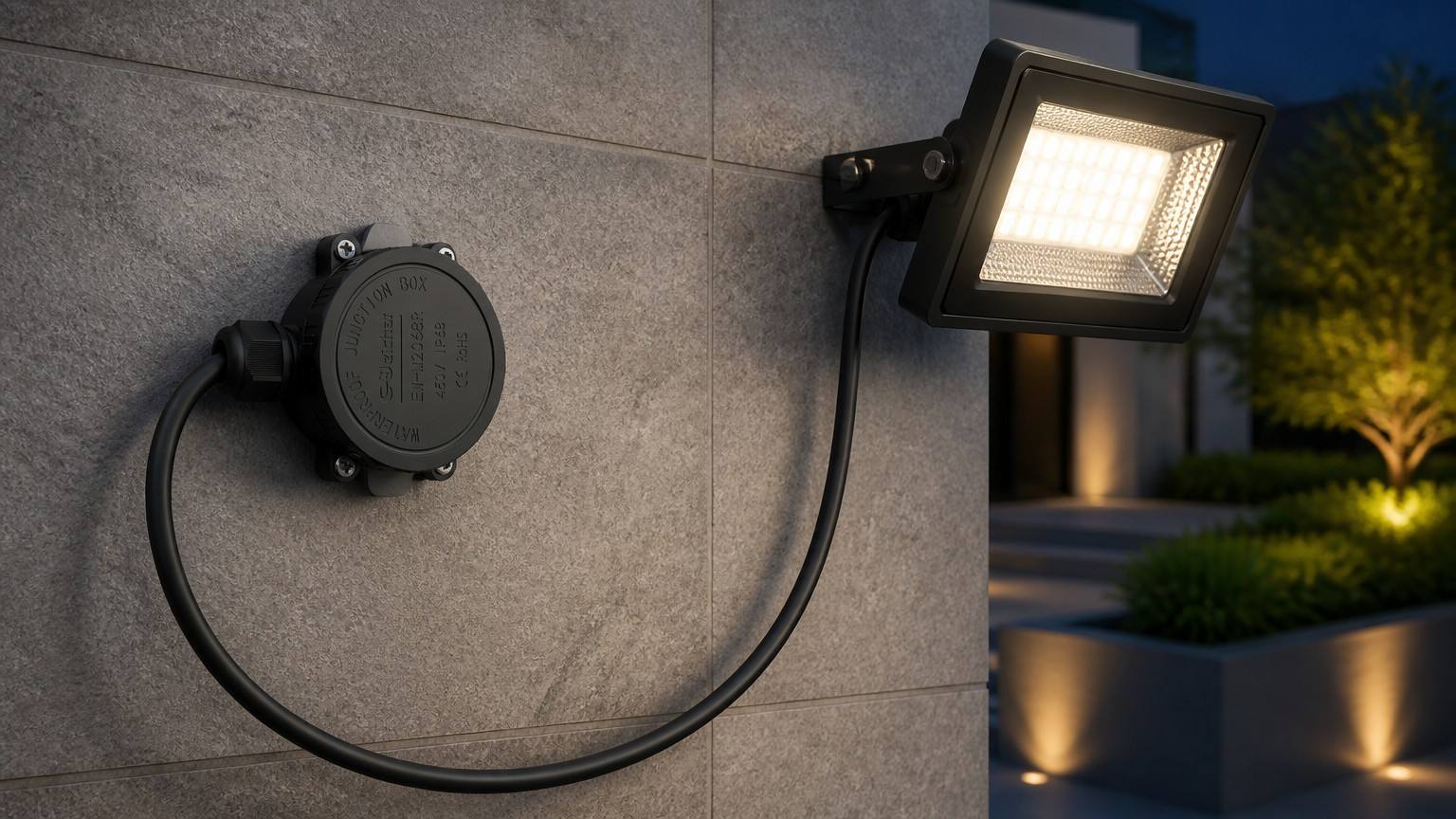
What Does IP68 Mean for Outdoor Lighting?
IP ratings are defined under the IEC 60529 system and indicate the degree of protection provided by an enclosure against solids and water.
In the designation IP68, the first digit relates to protection against solid foreign objects and dust, while the second digit relates to protection against water ingress under specified conditions.
For outdoor lighting applications, this distinction matters because the connector can be exposed to both dust and water.
However, engineers should avoid assuming that every product described as “IP68” will perform identically in every installation. The actual test conditions, cable diameter, sealing structure and assembly method all need to be considered.
For a professional outdoor lighting project, the connector specification should therefore be reviewed together with the manufacturer's technical documentation.
IP68 Does Not Replace Correct Installation
Even a properly rated connector can perform poorly if it is assembled incorrectly.
The cable must normally fall within the connector's specified sealing range. Sealing components should be installed correctly, and the connector should be fully mated according to the manufacturer's instructions.
For this reason, connector selection and installation procedure should be treated as one engineering consideration.
Why Use a Waterproof Screw Connector?
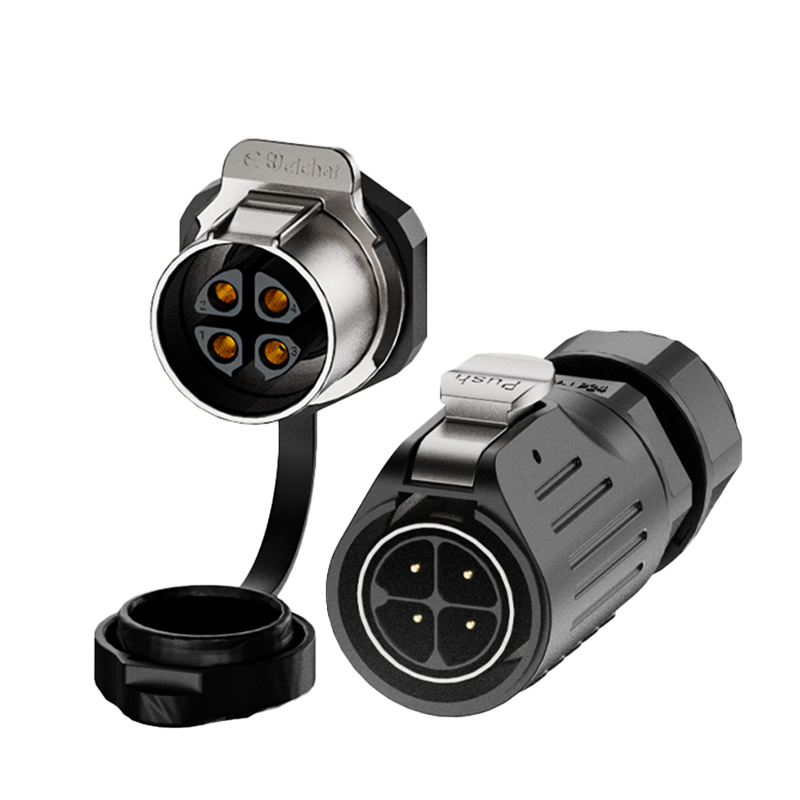
A waterproof screw connector is particularly useful where a secure mechanical connection is required while maintaining environmental sealing.
The threaded locking structure allows the connector halves to be tightened together during installation. This creates a defined mating process and can help maintain the connection during normal equipment operation.
For outdoor lighting, this can be useful in applications where cables are exposed to vibration, movement during maintenance or accidental mechanical stress.
Compared with an unprotected cable splice, a properly designed screw-type waterproof connector can also provide a more structured connection point that is easier to identify and manage during installation.
Waterproof Screw Connectors for Maintenance-Friendly Installations
Outdoor lighting systems may remain in service for years. During this period, LED fixtures, drivers or sections of cable may eventually require inspection or replacement.
A detachable connector can make certain maintenance tasks more practical than cutting and rebuilding a permanent cable connection.
This does not mean every installation should use a detachable connector. The appropriate design depends on the equipment architecture and maintenance strategy. However, for systems where service access is expected, connectorized cable connections can be worth considering during the design stage.
Outdoor Lighting Applications That Can Benefit From Sealed Cable Connections
The need for environmental protection varies between projects, but waterproof connectors are commonly considered in several outdoor lighting applications.
Street and Road Lighting
Roadside lighting is exposed to rain, dust and seasonal temperature changes. Cable connections located inside poles, junction areas or close to luminaires should be selected according to the specific environmental conditions.
Landscape and Garden Lighting
Landscape lighting can be installed close to soil, irrigation systems, ponds and other sources of moisture. In these environments, a sealed cable connection can help reduce exposure at the connection point.
Architectural Lighting
Outdoor architectural lighting may be installed on building facades, bridges, public spaces and other structures. Connections can be exposed to rain and weather while also being installed in areas where maintenance access is limited.
Solar Street Lighting
Solar lighting combines photovoltaic panels, batteries, controllers and LED luminaires in an outdoor system. Cable connections between these components need to be selected according to their electrical requirements and environmental exposure.
Outdoor Commercial Lighting
Shopping areas, parking facilities, campuses and public spaces may use large numbers of outdoor lighting fixtures. Consistent connector specifications can help simplify installation and maintenance across larger projects.
Do Not Select a Waterproof Connector by IP Rating Alone
One of the most common mistakes in connector selection is focusing on a single specification.
An IP68 rating is important when environmental protection is required, but it is only one part of the selection process.
Engineers and purchasing teams should also review:
-
Rated voltage
-
Rated current
-
Number of contacts
-
Conductor and cable size
-
Cable outer diameter
-
Connector dimensions
-
Locking method
-
Operating temperature
-
Material requirements
-
Required certifications or test documentation
For example, a connector may provide excellent environmental sealing but still be unsuitable if its electrical rating does not match the lighting circuit.
Likewise, a connector with the correct electrical specification may not be suitable for an installation where the cable diameter falls outside the sealing range.
Cable Diameter and Sealing Are Closely Connected
The sealing performance of a waterproof cable connector depends partly on the relationship between the connector sealing structure and the cable being used.
Before purchasing a waterproof screw connector, the cable outer diameter should be checked against the manufacturer's specified cable range.
This is particularly important for outdoor lighting projects because different manufacturers may use cables with different insulation thicknesses and external diameters even when the electrical specifications appear similar.
A connector should therefore be selected based on the actual cable rather than only the nominal conductor size.
Material Selection and Flame-Retardant Requirements
Outdoor lighting equipment may also have specific material and flame-retardant requirements depending on the equipment design and applicable standards.
Where flame-retardant performance is required, buyers may review the material's applicable UL94 classification together with other product specifications.
For example, a product using a UL94 V-0 rated material can provide a higher level of flame-retardant performance than materials with lower classifications. However, the exact material grade and certification should always be verified against the specific connector model.
This is particularly important when a connector is integrated into electrical equipment rather than installed as an isolated component.
What About TUV Certification?
For European-oriented projects, buyers may request certification or technical documentation from connector suppliers during supplier qualification.
Where TUV certification is required, the documentation should be checked for the exact product series and model under evaluation.
Professional procurement teams should avoid assuming that certification for one connector series automatically applies to every product manufactured by the same supplier.
The exact model, applicable standard, test scope and certification documentation should be confirmed before being included in a project specification.
How to Select the Right Connector for an Outdoor Lighting Project
A practical selection process can start with the actual installation conditions.
Step 1: Define the Environment
Identify whether the connector will be installed outdoors, underground, inside a pole, near irrigation equipment or in an area exposed to direct rain.
Step 2: Define Electrical Requirements
Confirm voltage, current, number of contacts and whether the connection is used for power, control or signal transmission.
Step 3: Measure the Cable
Check the actual cable outer diameter and conductor size. Make sure the connector's sealing range is compatible with the cable.
Step 4: Select the Required Protection Level
Where the installation requires a high level of environmental protection, evaluate an IP68 waterproof connector based on the manufacturer's technical specifications and test conditions.
Step 5: Consider Installation and Maintenance
Determine whether technicians need to disconnect the cable in the future. If regular maintenance is expected, a secure detachable connector may offer practical advantages.
Why Connector Selection Can Affect Long-Term Lighting Reliability
Outdoor lighting systems contain many individual components, but the reliability of the complete installation depends on how those components work together.
The connector is a small component, yet it sits directly at the interface between cables and equipment. It must maintain electrical continuity while also dealing with the mechanical and environmental conditions surrounding the installation.
For this reason, selecting an IP68 waterproof connector or waterproof screw connector should be based on actual project requirements rather than simply choosing the highest-rated product available.
For lighting manufacturers, contractors and system integrators, a properly specified connector can contribute to more organized installation, easier maintenance and better protection of cable connection points.
E-Weichat provides waterproof connector solutions for outdoor lighting, industrial equipment, solar lighting and other demanding cable connection applications. Depending on the project requirements, connector selection can be evaluated according to protection rating, cable diameter, electrical specifications, material requirements and applicable technical documentation.
Frequently Asked Questions
What is an IP68 waterproof connector used for in outdoor lighting?
An IP68 waterproof connector is used where a cable connection requires a high level of protection against dust and water ingress under specified test conditions. It can be considered for street lighting, landscape lighting, solar lighting and other outdoor applications where environmental exposure is expected.
Why choose a waterproof screw connector for outdoor lighting?
A waterproof screw connector uses a threaded locking structure to secure the mating connection while supporting the sealing system. It can be useful where outdoor cables need a secure, detachable connection for installation or future maintenance.
Does an IP68 rating guarantee waterproof performance in every installation?
No. The IP68 rating applies to specified test conditions. Actual installation performance also depends on correct assembly, cable diameter, sealing components, connector mating and the conditions of the application. The manufacturer's technical specifications should be checked for the exact model.
-
Fast and Convenient
-
Customization
- Need a technical consultant to answer your questions?
-
-
Hot Promoted Products
Recommend current hot products to you