[{"CategoryId":271,"CategoryName":"By Series","ParentId":0,"Imageurl":""},{"CategoryId":272,"CategoryName":"By Size","ParentId":0,"Imageurl":""},{"CategoryId":273,"CategoryName":"By Number of Pins","ParentId":0,"Imageurl":""},{"CategoryId":274,"CategoryName":"By Application","ParentId":0,"Imageurl":""},{"CategoryId":275,"CategoryName":"By Wiring","ParentId":0,"Imageurl":""},{"CategoryId":276,"CategoryName":"Customization","ParentId":0,"Imageurl":""},{"CategoryId":277,"CategoryName":"By Material","ParentId":0,"Imageurl":""},{"CategoryId":278,"CategoryName":"LP Series","ParentId":271,"Imageurl":"2025/07/20250724101928371.jpg?TFDns7vliJcuYmlwLjI1NTUuanBn"},{"CategoryId":1319,"CategoryName":"SF Series","ParentId":271,"Imageurl":"2025/09/20250913181601452.jpg?U0Y2LTgtMTDlhajlrrbnpo8uanBn"},{"CategoryId":1245,"CategoryName":"SP Series","ParentId":271,"Imageurl":"2025/09/20250913181428839.jpg?U1AuanBn"},{"CategoryId":279,"CategoryName":"Self Locking Series","ParentId":271,"Imageurl":"2024/09/20240905134920982.png?U2VsZiBMb2NraW5nIFNlcmllcw=="},{"CategoryId":280,"CategoryName":"Waterproof Cable Connector","ParentId":271,"Imageurl":"2024/09/20240905142754587.png?V2F0ZXJwcm9vZiBDYWJsZSBDb25uZWN0b3I="},{"CategoryId":281,"CategoryName":"Junction Box","ParentId":271,"Imageurl":"2024/09/20240905155939966.png?5o6l57q/55uS57O75YiXIDYxM3g2MTMucG5n"},{"CategoryId":1222,"CategoryName":"Cable Gland","ParentId":271,"Imageurl":"2025/03/20250320135315907.jpg?Y2FibGUtZ2xhbmQuanBn"},{"CategoryId":282,"CategoryName":"Energy Storage Connector","ParentId":271,"Imageurl":"2024/09/20240905143234262.png?RW5lcmd5IFN0b3JhZ2UgQ29ubmVjdG9y"},{"CategoryId":1161,"CategoryName":"PV Connector","ParentId":271,"Imageurl":"2024/09/20240905143119031.png?UFYgQ29ubmVjdG9y"},{"CategoryId":1541,"CategoryName":"M32","ParentId":272,"Imageurl":""},{"CategoryId":1351,"CategoryName":"M29","ParentId":272,"Imageurl":""},{"CategoryId":1170,"CategoryName":"M28","ParentId":272,"Imageurl":"2024/12/20241204113448729.png?TTI4IGVsZWN0cmljYWwgY29ubmVjdG9y"},{"CategoryId":1169,"CategoryName":"M25","ParentId":272,"Imageurl":"2024/12/20241204113352959.png?TTI1IGNpcmN1bGFyIHBsYXN0aWMgd2lyZSBjb25uZWN0b3I="},{"CategoryId":319,"CategoryName":"M24","ParentId":272,"Imageurl":"2024/12/20241204113237802.png?TTI0IEluZHVzdHJpYWwgd2F0ZXJwcm9vZiBjb25uZWN0b3I="},{"CategoryId":1168,"CategoryName":"M23","ParentId":272,"Imageurl":"2024/12/20241204112141563.png?TTIzIHdhdGVycHJvb2YgcGx1ZyBjb25uZWN0b3Jz"},{"CategoryId":1350,"CategoryName":"M21","ParentId":272,"Imageurl":""},{"CategoryId":318,"CategoryName":"M20","ParentId":272,"Imageurl":"2024/12/20241204112034702.png?TTIwIGNpcmN1bGFyIGNvbm5lY3Rvcg=="},{"CategoryId":1167,"CategoryName":"M19","ParentId":272,"Imageurl":"2024/12/20241204111937164.png?TTE5IHdhdGVycHJvb2Ygd2lyZSBjb25uZWN0b3Jz"},{"CategoryId":1349,"CategoryName":"M17","ParentId":272,"Imageurl":""},{"CategoryId":293,"CategoryName":"M16","ParentId":272,"Imageurl":"2024/12/20241204111827969.png?TTE2IGVsZWN0cmljYWwgY29ubmVjdG9y"},{"CategoryId":1166,"CategoryName":"M15","ParentId":272,"Imageurl":"2024/12/20241204111717740.png?TTE1IG1hbGUgYW5kIGZlbWFsZSBjb25uZWN0b3Jz"},{"CategoryId":1348,"CategoryName":"M13","ParentId":272,"Imageurl":""},{"CategoryId":292,"CategoryName":"M12","ParentId":272,"Imageurl":"2024/12/20241204111548642.png?TTEyIFdhdGVycHJvb2YgTTEyIENvbm5lY3Rvcg=="},{"CategoryId":1347,"CategoryName":"M10","ParentId":272,"Imageurl":""},{"CategoryId":1346,"CategoryName":"M8","ParentId":272,"Imageurl":""},{"CategoryId":1345,"CategoryName":"M6","ParentId":272,"Imageurl":""},{"CategoryId":335,"CategoryName":"TYPE-C","ParentId":273,"Imageurl":"2024/08/20240803175816209.jpg?TFAxNi1UWVBFLUPph5HlsZ7ms5XlhbAuanBn"},{"CategoryId":334,"CategoryName":"Fiber","ParentId":273,"Imageurl":"2024/07/20240730100446602.png?TFAyNC1GSUJFUig2KSAyMDB4MjAwIC0g5Ymv5pysLnBuZw=="},{"CategoryId":333,"CategoryName":"HDMI","ParentId":273,"Imageurl":"2024/07/20240730100616849.png?TFAyNC1IRE1JKDYpIDIwMHgyMDAgLSDlia/mnKwucG5n"},{"CategoryId":332,"CategoryName":"USB","ParentId":273,"Imageurl":"2024/07/20240730100646405.png?TFAyNC1VU0IoNikgMjAweDIwMCAtIOWJr+acrC5wbmc="},{"CategoryId":331,"CategoryName":"RJ45","ParentId":273,"Imageurl":"2024/07/20240730100713409.png?TFAyNC1SSjQ1KDYpIDIwMHgyMDAgLSDlr7nmjqUucG5n"},{"CategoryId":1335,"CategoryName":"26 Pins","ParentId":273,"Imageurl":"2025/09/20250908170725350.jpg?U1AyOS0yNlDkuKTlrZTluqfmraPoo4UgODAweDgwMC5qcGc="},{"CategoryId":330,"CategoryName":"24 Pins","ParentId":273,"Imageurl":"2024/07/20240730101220115.jpg?TFAyNC0yNFDpnaLmnb/ph5HlsZ7lj43oo4XmrL4uanBn"},{"CategoryId":1334,"CategoryName":"20 Pins","ParentId":273,"Imageurl":"2025/09/20250908170702461.jpg?U0YyOC0yMFDpnaLmnb8gODAweDgwMC5qcGc="},{"CategoryId":329,"CategoryName":"19 Pins","ParentId":273,"Imageurl":"2024/07/20240730101243254.jpg?TFAyNC0xOVDlr7nmj5Lph5HlsZ7lj43oo4XmrL4uanBn"},{"CategoryId":1333,"CategoryName":"18 Pins","ParentId":273,"Imageurl":"2025/09/20250908170641433.jpg?U0YyOC0xOFDlr7nmjqUgODAweDgwMC5qcGc="},{"CategoryId":1344,"CategoryName":"17 Pins","ParentId":273,"Imageurl":""},{"CategoryId":1332,"CategoryName":"16 Pins","ParentId":273,"Imageurl":"2025/09/20250908170620266.jpg?U0YyOC0xNlDpnaLmnb/luqflj43oo4UgODAweDgwMC5qcGc="},{"CategoryId":1215,"CategoryName":"14 Pins","ParentId":273,"Imageurl":"2024/08/20240808120100973.jpg?TFAyMC0xNFDms5XlhbDph5HlsZ7mraPoo4UuanBn"},{"CategoryId":328,"CategoryName":"12 Pins","ParentId":273,"Imageurl":"2024/07/20240730101400996.png?TFAyNC0xMlDms5XlhbDloZHmlpnlj43oo4XmrL4ucG5n"},{"CategoryId":327,"CategoryName":"10 Pins","ParentId":273,"Imageurl":"2024/07/20240730101422023.jpg?TFAyNC0xMFDlr7nmj5Lph5HlsZ7lj43oo4XmrL4uanBn"},{"CategoryId":326,"CategoryName":"9 Pins","ParentId":273,"Imageurl":"2024/07/20240730101545901.jpg?TFAyMC05UC3lr7nmj5ItMy5qcGc="},{"CategoryId":325,"CategoryName":"8 Pins","ParentId":273,"Imageurl":"2024/07/20240730101729864.jpg?TFAxNi04UOmdouadv0zph5HlsZ7mraPoo4UuanBn"},{"CategoryId":324,"CategoryName":"7 Pins","ParentId":273,"Imageurl":"2024/07/20240730101805407.jpg?TFAxNi03UOazleWFsFDph5HlsZ7mraPoo4UuanBn"},{"CategoryId":323,"CategoryName":"6 Pins","ParentId":273,"Imageurl":"2024/07/20240730101848277.png?TFAxMi02UCDlj43oo4UgMi5wbmc="},{"CategoryId":322,"CategoryName":"5 Pins","ParentId":273,"Imageurl":"2024/07/20240730102001465.jpg?TFAyNC01UOWFrOaPklPph5HlsZ7lj43oo4XplIHnur/mrL4uanBn"},{"CategoryId":321,"CategoryName":"4 Pins","ParentId":273,"Imageurl":"2024/07/20240730102053511.png?TFAyMC00UOazleWFsOWhkeaWmeato+ijhS5wbmc="},{"CategoryId":320,"CategoryName":"3 Pins","ParentId":273,"Imageurl":"2024/07/20240730102122414.jpg?TFAyOC0zUOWvueaPkuWhkeaWmeato+ijhS5qcGc="},{"CategoryId":295,"CategoryName":"2 Pins","ParentId":273,"Imageurl":"2024/07/20240730102152158.jpg?TFAyOC0yUOazleWFsOWhkeaWmeato+ijhS5qcGc="},{"CategoryId":294,"CategoryName":"1 Pin","ParentId":273,"Imageurl":"2024/12/20241202141836844.png?ZW5lcmd5IHN0b3JhZ2UgY29ubmVjdG9y"},{"CategoryId":296,"CategoryName":"Power Connector","ParentId":274,"Imageurl":"2024/08/20240803175721975.jpg?TFAxNi00UCg5KS5qcGc="},{"CategoryId":315,"CategoryName":"Signal Connector","ParentId":274,"Imageurl":"2024/07/20240730133750759.png?TFAyNC1SSjQ1KDYpIDIwMHgyMDAgLSDlia/mnKwucG5n"},{"CategoryId":297,"CategoryName":"Data Connector","ParentId":274,"Imageurl":"2024/07/20240730093457270.png?TFAyNC1VU0IoNikgMjAweDIwMCAtIOWJr+acrC5wbmc="},{"CategoryId":338,"CategoryName":"Crimping Type","ParentId":275,"Imageurl":"2024/12/20241202143025954.png?TFAxMi0yUOWvueaPkumHkeWxnuato+ijhSA3NTB4NzUwLnBuZw=="},{"CategoryId":336,"CategoryName":"Solder Type","ParentId":275,"Imageurl":"2024/12/20241202142826795.png?TFAyNC0y6Iqv54SK5o6l5aGR5paZ5qy+5rOV5YWw5Y+N6KOFc2t1LnBuZw=="},{"CategoryId":337,"CategoryName":"Screw Type","ParentId":275,"Imageurl":"2024/12/20241202142506193.png?TFAxMi0yUOazleWFsFDph5HlsZ7plIHnur/lj43oo4UucG5n"},{"CategoryId":298,"CategoryName":"Screwless Type","ParentId":275,"Imageurl":"2024/05/20240529162027688.jpg?5b+r5o6l57O75YiXLmpwZw=="},{"CategoryId":301,"CategoryName":"Mix Pins","ParentId":276,"Imageurl":"2024/07/20240730102324120.jpg?TFAyOC0zUOazleWFsOWhkeaWmeato+ijhS0xLmpwZw=="},{"CategoryId":1330,"CategoryName":"Color","ParentId":276,"Imageurl":""},{"CategoryId":317,"CategoryName":"Metal + Plastic","ParentId":277,"Imageurl":"2024/08/20240803180032739.jpg?TFAxMi00UOazleWFsOmHkeWxnuWPjeijhS5qcGc="},{"CategoryId":316,"CategoryName":"All Metal","ParentId":277,"Imageurl":"2024/11/20241121135153910.png?TFAxMi0yUOazleWFsOasvumUgee6vy5wbmc="},{"CategoryId":300,"CategoryName":"All Plastic","ParentId":277,"Imageurl":"2024/08/20240803180224853.png?TFAxMi00UCDlj43oo4UgNy5wbmc="},{"CategoryId":287,"CategoryName":"LP12","ParentId":278,"Imageurl":"2024/12/20241203141919861.png?TFAxMiBlbGVjdHJpY2FsIHdhdGVycHJvb2YgY29ubmVjdG9ycw=="},{"CategoryId":283,"CategoryName":"LP16","ParentId":278,"Imageurl":"2024/12/20241203141926793.png?TFAxNiB3YXRlcnByb29mIHBsdWcgY29ubmVjdG9ycw=="},{"CategoryId":286,"CategoryName":"LP20","ParentId":278,"Imageurl":"2024/12/20241203140522654.png?TFAyMCBJbmR1c3RyaWFsIHdhdGVycHJvb2YgY29ubmVjdG9y"},{"CategoryId":285,"CategoryName":"LP24","ParentId":278,"Imageurl":"2024/12/20241203140638274.jpg?TFAyNCB3YXRlcnByb29mIHBsdWcgY29ubmVjdG9ycw=="},{"CategoryId":284,"CategoryName":"LP28","ParentId":278,"Imageurl":"2024/12/20241203140831377.png?TFAyOCBXYXRlcnByb29mIENhYmxlIENvbm5lY3Rvcg=="},{"CategoryId":1540,"CategoryName":"LP32","ParentId":278,"Imageurl":"2026/04/20260416174331064.jpg?TFAzMi3lhajlrrbnpo8t5Li75Zu+LjgyNjdf5riy5p+T5bGCIDQuanBn"},{"CategoryId":303,"CategoryName":"M15MP/MF","ParentId":279,"Imageurl":"2024/07/20240730095659595.jpg?TTE1TUYtM1AuanBn"},{"CategoryId":304,"CategoryName":"M19MP/MF","ParentId":279,"Imageurl":"2024/07/20240730095626837.jpg?6Z2i5p2/55m95bqVIC0g5Ymv5pysLmpwZw=="},{"CategoryId":305,"CategoryName":"M23MP/MF","ParentId":279,"Imageurl":"2024/07/20240730095548936.jpg?RVctTTIzTVA="},{"CategoryId":307,"CategoryName":"M28MP/MF","ParentId":279,"Imageurl":"2024/07/20240730095408770.jpg?RVctTTI4TVA="},{"CategoryId":306,"CategoryName":"P25MP/MF","ParentId":279,"Imageurl":"2024/07/20240729185729105.png?UDI1LS3oiq/mlbAt5aSW57q/55u05b6E5Zu+IDIwMHgyMDAucG5n"},{"CategoryId":1209,"CategoryName":"P23MP/MF","ParentId":279,"Imageurl":"2024/07/20240730100244127.png?UDIzLnBuZw=="},{"CategoryId":302,"CategoryName":"Screw Connector Series","ParentId":280,"Imageurl":"2024/12/20241203142740551.png?U2NyZXcgQ29ubmVjdG9yIFNlcmllcw=="},{"CategoryId":289,"CategoryName":"Screwless Connector Series","ParentId":280,"Imageurl":"2024/09/20240905144436844.png?U2NyZXdsZXNzIENvbm5lY3RvciBTZXJpZXM="},{"CategoryId":290,"CategoryName":"2068 Serie","ParentId":281,"Imageurl":"2024/07/20240730094848584.png?RVctTTIwNjgtNVQucG5n"},{"CategoryId":1536,"CategoryName":"2068N Serie","ParentId":281,"Imageurl":"2026/01/20260116110540406.png?TTIwNjhOLTJUICAoMikucG5n"},{"CategoryId":1538,"CategoryName":"2068R Serie","ParentId":281,"Imageurl":"2026/02/20260206151256783.png?RVctTTIwNjhSLTFUICgxKS5wbmc="},{"CategoryId":308,"CategoryName":"2068S Serie","ParentId":281,"Imageurl":"2024/07/20240729190104148.jpg?55m95bqVMy5qcGc="},{"CategoryId":309,"CategoryName":"2068L Serie","ParentId":281,"Imageurl":"2024/07/20240729190043564.jpg?55m95bqVMi5qcGc="},{"CategoryId":310,"CategoryName":"2068XL Serie","ParentId":281,"Imageurl":"2024/07/20240730094724530.jpg?MTAuanBn"},{"CategoryId":1159,"CategoryName":"350A","ParentId":282,"Imageurl":"2024/07/20240729190329212.jpg?RTMwMC0zNTDlj6/ml4vovazlhYnlrZTpk5zmjpLmqZnoibLlpZfoo4VTS1UuanBn"},{"CategoryId":1158,"CategoryName":"300A","ParentId":282,"Imageurl":"2024/07/20240729190349998.jpg?RTMwMOS4jeWPr+aXi+i9rOWFieWtlOmTnOaOkum7keiJsuWll+ijhVNLVS5qcGc="},{"CategoryId":341,"CategoryName":"250A","ParentId":282,"Imageurl":"2024/07/20240729190408955.jpg?RTEwMC0yNTDlj6/ml4vovazonrrmn7HmqZnoibLlpZfoo4VTS1UuanBn"},{"CategoryId":340,"CategoryName":"200A","ParentId":282,"Imageurl":"2024/07/20240729190435882.jpg?RTI1MOS4jeWPr+aXi+i9rOieuuafsem7keiJsuWll+ijhVNLVS5qcGc="},{"CategoryId":339,"CategoryName":"150A","ParentId":282,"Imageurl":"2024/07/20240729190456384.jpg?RTEwMC0yNTDlj6/ml4vovazlhYnlrZTpk5zmjpLmqZnoibLlpZfoo4VTS1UuanBn"},{"CategoryId":311,"CategoryName":"120A","ParentId":282,"Imageurl":"2024/07/20240729190538607.jpg?RTI1MOS4jeWPr+aXi+i9rOWFieWtlOmTnOaOkum7keiJsuWll+ijhVNLVS5qcGc="},{"CategoryId":312,"CategoryName":"100A","ParentId":282,"Imageurl":"2024/07/20240729190551775.jpg?RTEwMC0yNTDkuI3lj6/ml4vovazonrrmn7HmqZnoibLlpZfoo4VTS1UuanBn"},{"CategoryId":313,"CategoryName":"70A","ParentId":282,"Imageurl":"2024/07/20240729190619040.jpg?RTUw5Y+v5peL6L2s5YWJ5a2U6ZOc5o6S6buR6Imy5aWX6KOFU0tVXy5qcGc="},{"CategoryId":314,"CategoryName":"50A","ParentId":282,"Imageurl":"2024/07/20240729190633170.jpg?RTUwLTcw5LiN5Y+v5peL6L2s5YWJ5a2U6ZOc5o6S5qmZ6Imy5aWX6KOFU0tVLmpwZw=="},{"CategoryId":1533,"CategoryName":"LP20","ParentId":298,"Imageurl":""},{"CategoryId":1526,"CategoryName":"M25B","ParentId":298,"Imageurl":""},{"CategoryId":299,"CategoryName":"P25","ParentId":298,"Imageurl":"2024/05/20240529162134233.jpg?UDIzLjIuanBn"},{"CategoryId":1531,"CategoryName":"P23","ParentId":298,"Imageurl":""},{"CategoryId":1107,"CategoryName":"P20","ParentId":298,"Imageurl":"2024/09/20240909134224415.png?UDIwLS3oiq/mlbAt5aSW57q/55u05b6E5Zu+LSA2MTN4NjEzLnBuZw=="},{"CategoryId":1530,"CategoryName":"P25X","ParentId":298,"Imageurl":""},{"CategoryId":1529,"CategoryName":"P25T","ParentId":298,"Imageurl":""},{"CategoryId":1528,"CategoryName":"P20X","ParentId":298,"Imageurl":""},{"CategoryId":1527,"CategoryName":"P20T","ParentId":298,"Imageurl":""},{"CategoryId":1165,"CategoryName":"65A","ParentId":1161,"Imageurl":"2024/07/20240729190717746.jpg?MTBtbcKy6Z2i5p2/5bel5YW36Kej6ZSB5YWs5o+S5aS0LmpwZw=="},{"CategoryId":1164,"CategoryName":"45A","ParentId":1161,"Imageurl":"2024/07/20240729190731167.jpg?Nm1twrLnur/nq6/lt6Xop6PplIHlhazmj5LlpLQuanBn"},{"CategoryId":1163,"CategoryName":"35A","ParentId":1161,"Imageurl":"2024/07/20240729190743086.jpg?NG1twrLnur/nq6/lt6Xlhbfop6PplIHlhazmj5LlpLQuanBn"},{"CategoryId":1201,"CategoryName":"25A","ParentId":1161,"Imageurl":"2024/07/20240729190756464.jpg?Mi41bW3Csue6v+err+W3peWFt+ino+mUgeWFrOaPkuWktC5qcGc="},{"CategoryId":1223,"CategoryName":"PG Metal Series","ParentId":1222,"Imageurl":""},{"CategoryId":1243,"CategoryName":"PG Plastic Series","ParentId":1222,"Imageurl":""},{"CategoryId":1224,"CategoryName":"M Metal Series","ParentId":1222,"Imageurl":""},{"CategoryId":1244,"CategoryName":"M Plastic Series","ParentId":1222,"Imageurl":""},{"CategoryId":1247,"CategoryName":"SP13","ParentId":1245,"Imageurl":""},{"CategoryId":1246,"CategoryName":"SP17","ParentId":1245,"Imageurl":""},{"CategoryId":1327,"CategoryName":"SP21","ParentId":1245,"Imageurl":""},{"CategoryId":1326,"CategoryName":"SP29","ParentId":1245,"Imageurl":""},{"CategoryId":1320,"CategoryName":"SF6","ParentId":1319,"Imageurl":""},{"CategoryId":1321,"CategoryName":"SF8","ParentId":1319,"Imageurl":""},{"CategoryId":1328,"CategoryName":"SF10","ParentId":1319,"Imageurl":""},{"CategoryId":1322,"CategoryName":"SF12","ParentId":1319,"Imageurl":""},{"CategoryId":1323,"CategoryName":"SF16","ParentId":1319,"Imageurl":""},{"CategoryId":1324,"CategoryName":"SF20","ParentId":1319,"Imageurl":""},{"CategoryId":1325,"CategoryName":"SF28","ParentId":1319,"Imageurl":""}]
The Connection Behind Reliable Outdoor Lighting-医疗行业新能源行业通讯行业工控设备机器人行业照明行业产品知识媒体报道公司新闻常见问题答疑产品基础知识连接器选型产品证书宣传资料安装视频安装流程书三维图产品规格书防水接线端子储能连接器防水接线盒数据连接器电源连接器信号连接器Waterproof Cable ConnectorEnergy Storage ConnectorJunction BoxData ConnectorSignal ConnectorPower ConnectorMedical IndustryNew Energy IndustryCommunications IndustryIndustrial Control EquipmentRobotics IndustryLighting IndustryFAQProduct BasicsConnector SelectionProduct CertificatePropagandaInstallation VideoInstallation Procedure BookThree Dimensional MapProduct SpecificationsProduct KnowledgeMediaCompany NewsPV ConnectorCable GlandLighting Connector
The Connection Behind Reliable Outdoor Lighting
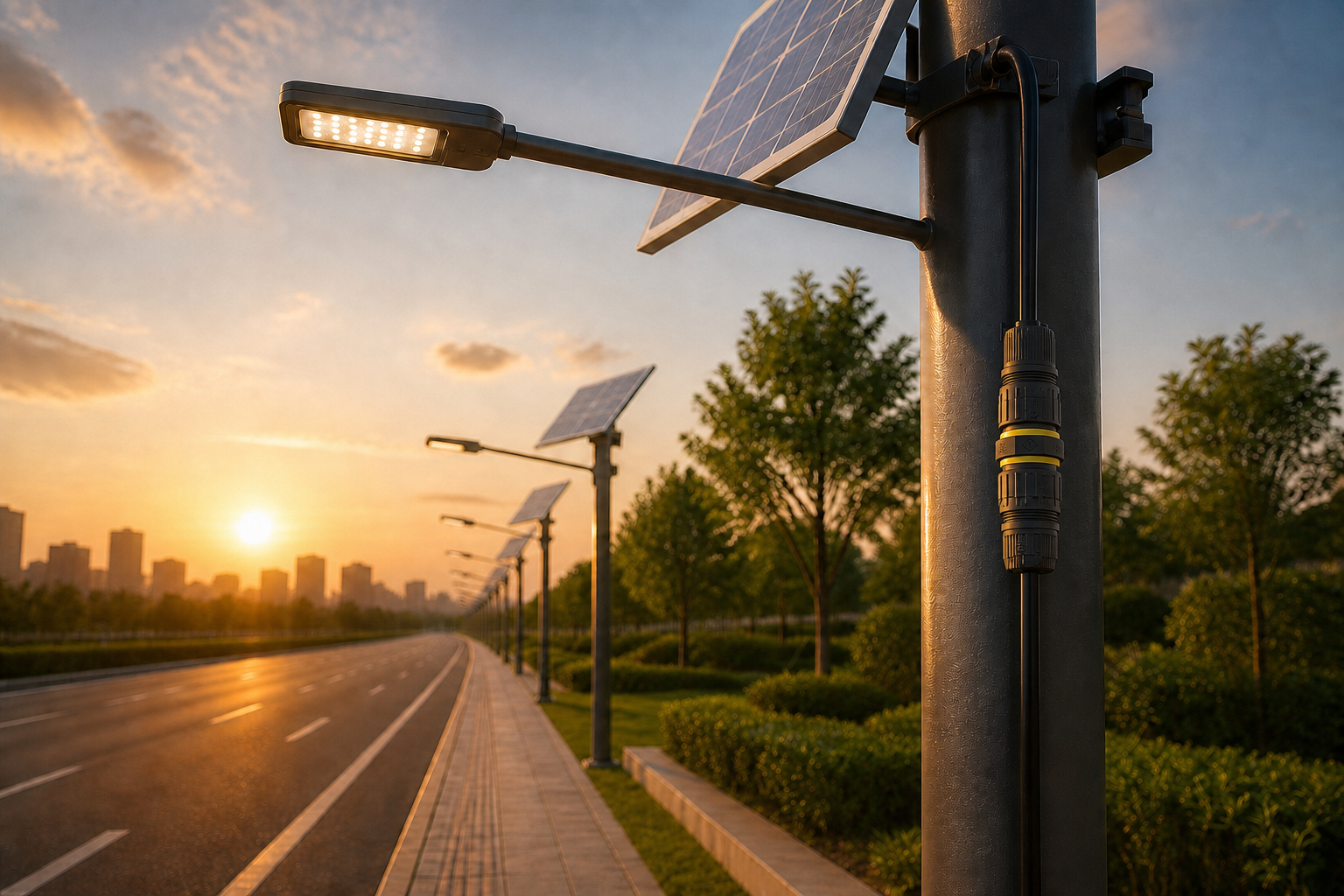
Outdoor lighting systems are designed to operate long after installation is complete. Street lighting, landscape lighting, architectural lighting, garden fixtures and commercial outdoor LED systems may remain exposed to rain, humidity, dust, temperature changes and seasonal weather for years.
While the lighting fixture is often the most visible part of the installation, the cable connection behind it can be just as important. An outdoor cable connector must help maintain a reliable electrical connection while protecting the cable interface from environmental exposure and mechanical stress.
For lighting manufacturers, electrical contractors and system integrators, choosing the right connector is not simply about joining two cables. The connector must match the actual voltage and current requirements, cable dimensions, installation method and environmental conditions of the lighting system.
This is particularly important in outdoor projects where access to individual connection points may become difficult after installation.
Why Cable Connections Become a Weak Point in Outdoor Lighting Systems
A typical outdoor lighting project can contain dozens or even hundreds of electrical connection points. Depending on the application, connectors may be installed inside lighting poles, underground junction areas, landscape fixtures, architectural structures or external cable routes.
These connection points may be exposed to:
-
Rain and direct water exposure
-
Humidity and condensation
-
Dust, soil and airborne particles
-
Temperature changes between day and night
-
UV exposure in applicable installations
-
Cable pulling and bending during installation
-
Mechanical stress during maintenance
A connection that appears secure on the day of installation may face very different conditions over its service life. Moisture can reach poorly protected interfaces, cable movement can place stress on the connection, and repeated temperature changes can affect the overall installation environment.
For this reason, professional buyers increasingly evaluate an outdoor cable connector for lighting systems based on long-term application conditions rather than installation convenience alone.
Application Case: Outdoor LED Lighting for a Commercial Landscape Project
A lighting system integrator was developing an outdoor LED installation for a commercial landscape area. The project included pathway lighting, garden fixtures and decorative lighting installed across multiple outdoor zones.
The electrical cables needed to connect fixtures distributed throughout the site. Many of the connection points would remain outdoors and be exposed to rain, humidity, dust and occasional maintenance activity.
During the engineering stage, the team identified several concerns with conventional connection methods. The project required a solution that could provide suitable environmental protection while making installation more consistent across multiple lighting locations.
The main requirements included:
-
Reliable protection against water and dust
-
Secure cable retention at the connection point
-
Compatibility with the selected lighting cables
-
Practical installation for field technicians
-
Long-term reliability in an outdoor environment
The engineering team therefore evaluated an IP68 outdoor cable connector solution for relevant external lighting connections.
Why IP68 Protection Matters in Outdoor Lighting Applications
Outdoor lighting installations may operate through repeated rain, humidity and seasonal weather changes. Where the application requires a high level of protection against dust and water ingress, an IP68-rated connector can be an appropriate option.
However, IP68 protection should not be considered independently from the complete installation. The actual performance of an assembled connection also depends on factors such as cable diameter, sealing components, correct mating and installation quality.
For example, an outdoor connector may be designed for a specific cable diameter range. If the cable does not correctly match the sealing structure, the finished connection may not perform as intended.
Therefore, when selecting waterproof cable connectors for outdoor lighting, engineers should evaluate the complete connector-and-cable assembly rather than focusing only on the IP rating shown in a product specification.
Waterproofing Alone Is Not Enough
Environmental sealing is essential, but a reliable outdoor connection must also handle mechanical conditions around the cable interface.
During installation, cables may be pulled through poles, routed through landscape structures or connected in restricted spaces. These activities can place mechanical force on the cable and connector.
Over time, cable movement and maintenance can also create stress around the cable entry point.
Cable Strain Relief
A suitable strain relief or cable locking design helps manage mechanical forces applied to the cable. This can reduce the amount of pulling stress transferred directly toward the electrical termination and connection interface.
For an outdoor electrical connector for lighting, cable retention should be evaluated together with cable routing and installation conditions.
Secure Connector Mating
The connector should maintain a secure connection after installation. Depending on the product design and application, a threaded, locking or other coupling structure may be used to help prevent unintended separation.
Cable Compatibility
Cable outer diameter and conductor requirements should match the connector specification. Correct cable selection supports sealing performance, mechanical retention and proper installation.
Different Outdoor Lighting Applications Have Different Connection Requirements
There is no single outdoor cable connector suitable for every lighting project.
The correct solution depends on where and how the lighting equipment will operate.
Landscape and Garden Lighting
Landscape installations may include direct exposure to rain, soil, irrigation systems and moisture around the cable route. Connectors should be selected according to the actual environmental conditions and installation design.
Architectural Lighting
Building facades and decorative lighting can involve limited installation space and difficult maintenance access. Connector size, mounting method and service accessibility may all affect the selection process.
Street and Public Area Lighting
Street lighting and public infrastructure can operate continuously for long periods. Reliable electrical connections and practical maintenance considerations are important when evaluating connectors used within poles, cabinets or external cable systems.
Outdoor LED Lighting Equipment
For LED lighting systems, the connector should match the electrical requirements of the fixture and power system. Buyers should verify voltage, current, contact configuration and cable compatibility for the selected model.
This application-based approach helps prevent the common mistake of using the same connector type throughout an entire project without considering the different requirements of each connection point.
Installation Quality Affects Long-Term Connector Performance
A correctly selected connector can still experience problems if it is not assembled properly.
For outdoor lighting installations, technicians should follow the applicable assembly requirements for cable preparation, termination, sealing and connector mating.
Particular attention should be given to:
-
Correct cable stripping and preparation
-
Compatible cable diameter
-
Correct placement of sealing components
-
Proper connector mating and locking
-
Avoiding unnecessary stress on the cable
-
Following the product's specified installation procedure
For large projects, installation consistency becomes especially important because the same assembly process may be repeated across many lighting fixtures.
Reducing Maintenance Risks in Outdoor Lighting Projects
One of the main challenges in outdoor lighting is that connection points are often difficult to access after installation.
A landscape fixture may be installed beneath vegetation. A connection may be located inside a lighting pole. Architectural lighting may be mounted in elevated or restricted areas. Replacing a connector can therefore require additional labor and site access.
Selecting suitable waterproof lighting connectors during the design stage can help reduce avoidable maintenance risks later.
The objective is not simply to select the highest available IP rating. Instead, the connector should match the actual environmental, electrical and mechanical requirements of the installation.
Material Performance and Project Requirements
Connector housing and insulation materials can also be important for outdoor industrial and lighting applications.
Depending on the selected product series, buyers may evaluate materials according to mechanical performance, environmental resistance and project-specific flame resistance requirements.
Where a specific UL 94 flammability classification is required, the applicable material specification and product documentation should be verified for the exact connector model being used.
The same principle applies to TUV certification and other technical documentation. Buyers should confirm whether the specific product series and model meet the applicable project requirements rather than assuming that one certification applies to every product in a connector range.
What Buyers Should Confirm Before Choosing an Outdoor Cable Connector
Accurate application information helps ensure a more suitable connector recommendation.
Before selecting an outdoor cable connector for LED lighting or another exterior lighting system, buyers should confirm:
-
Required voltage and current
-
Number of contacts
-
Cable conductor size
-
Cable outer diameter
-
Required IP protection level
-
Installation location
-
Expected water and dust exposure
-
Available installation space
-
Expected cable movement or pulling forces
-
Required certifications and documentation
Providing this information at the beginning of a project helps the connector supplier evaluate the real application instead of recommending a product based only on a general category.
From Individual Connectors to Complete Lighting Cable Solutions
In many outdoor lighting projects, the connector is only one part of the complete electrical assembly.
The full connection solution may also involve:
-
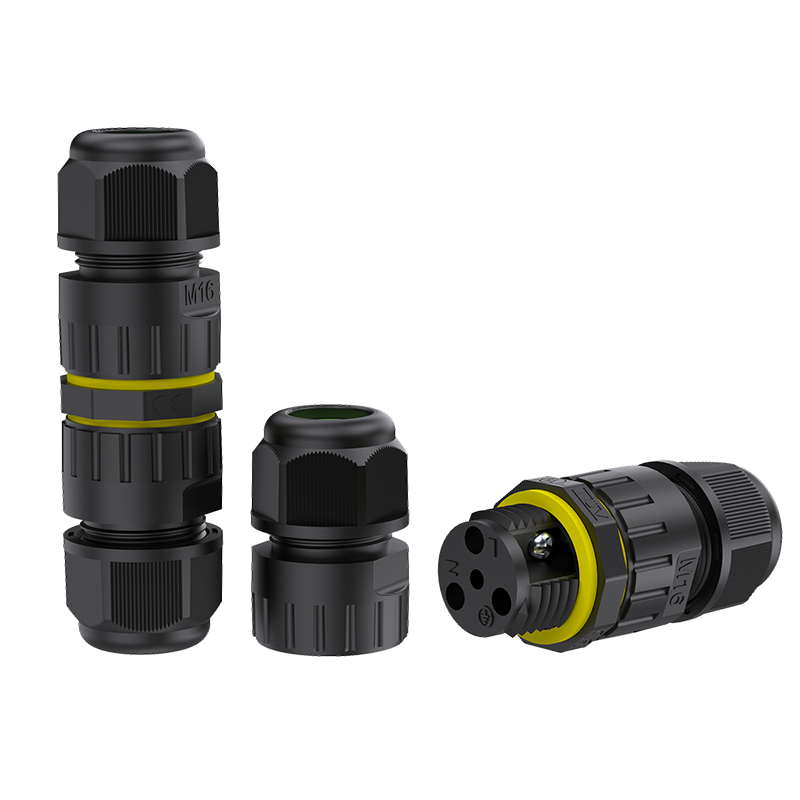
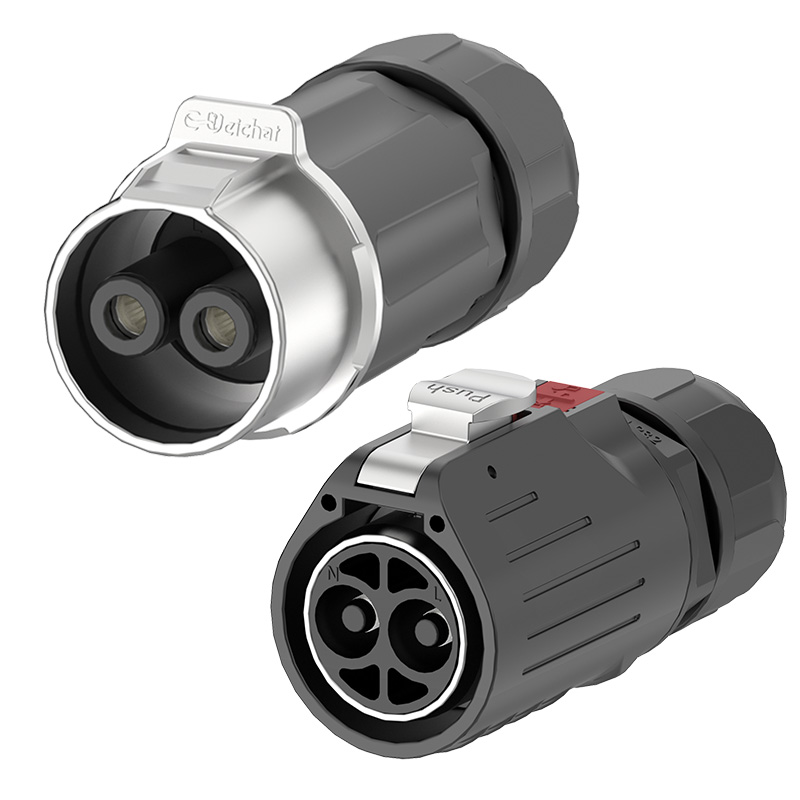
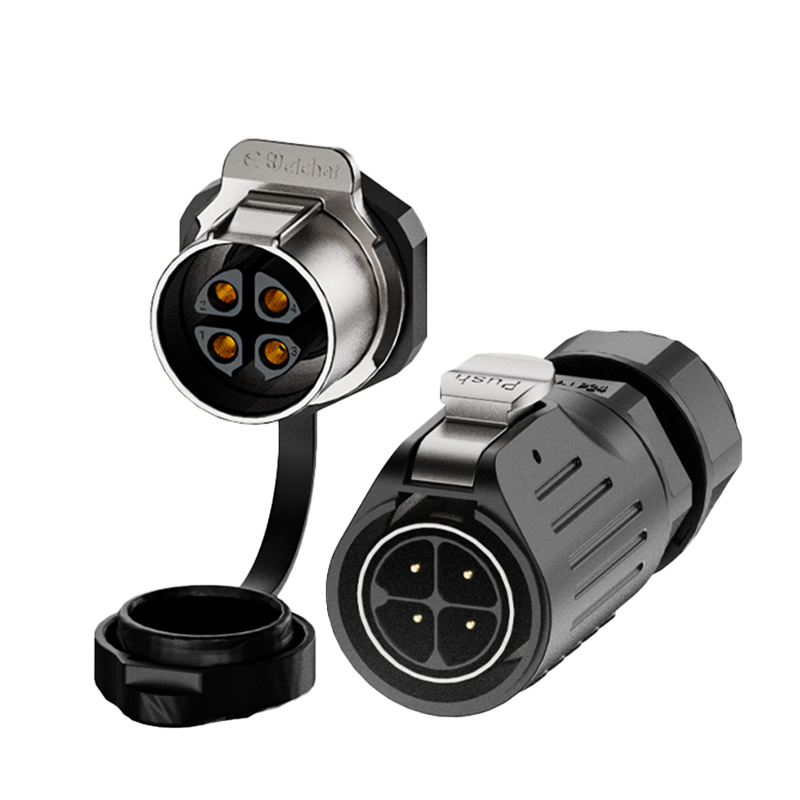
Waterproof cable connectors
-
Matched lighting cables
-
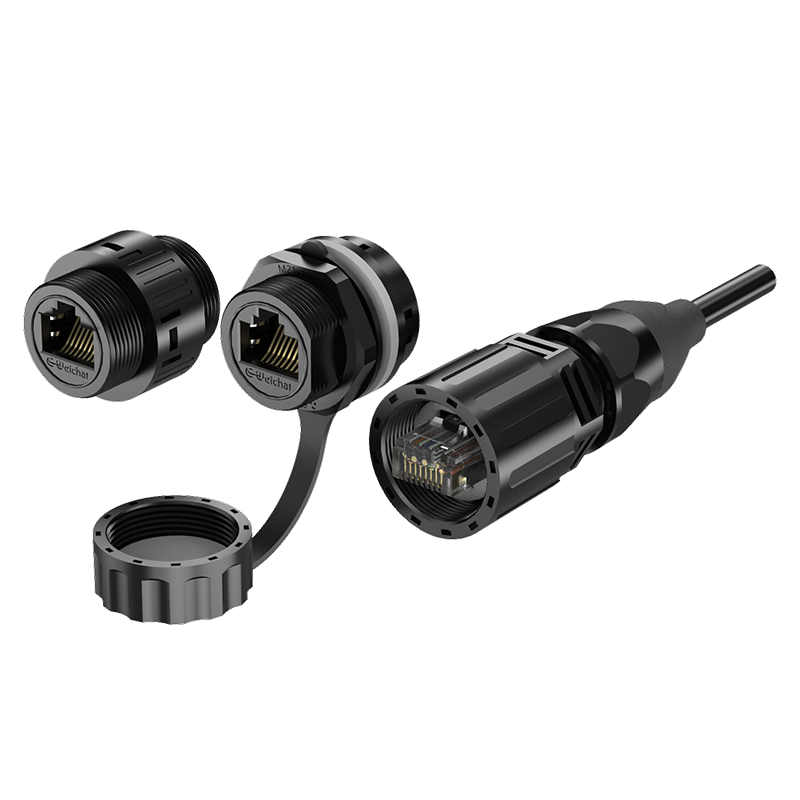
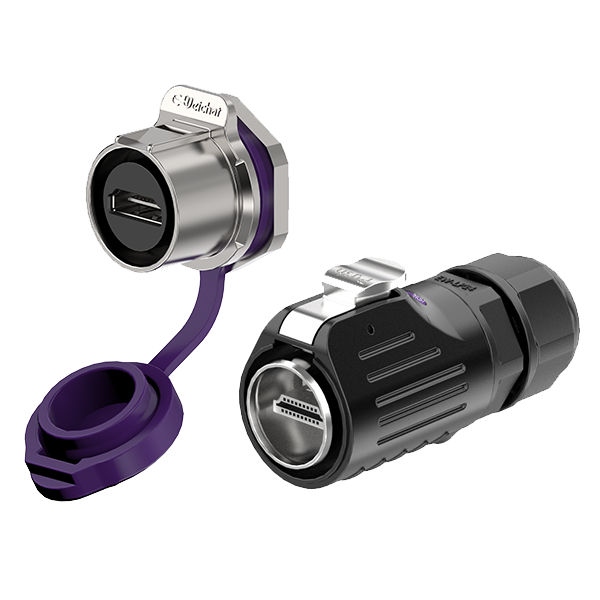
Panel-mount connector interfaces
-
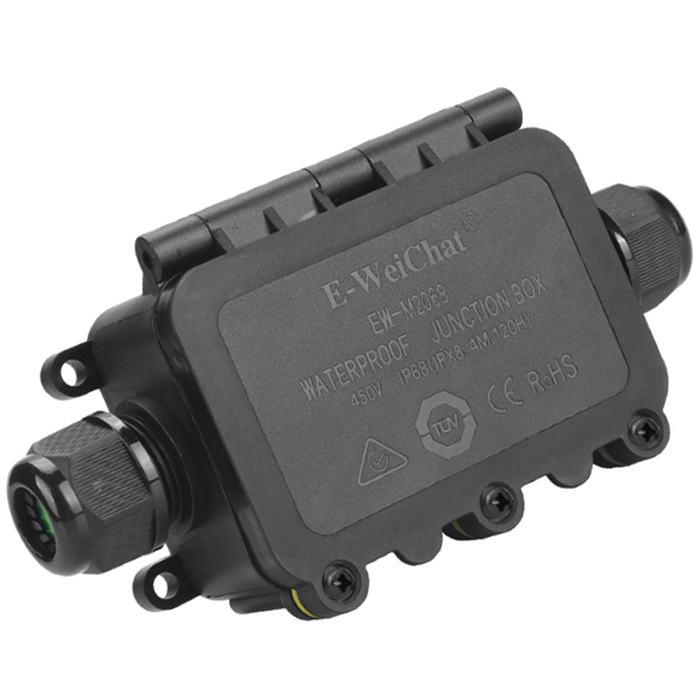
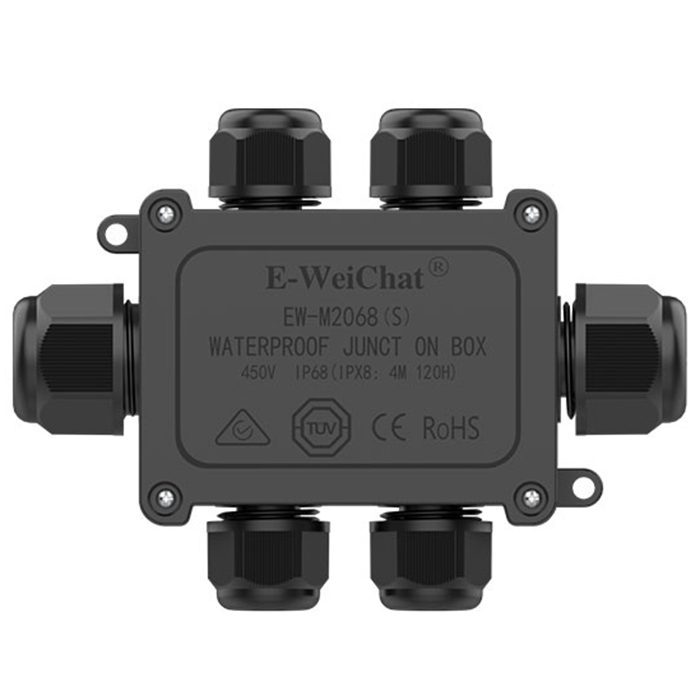
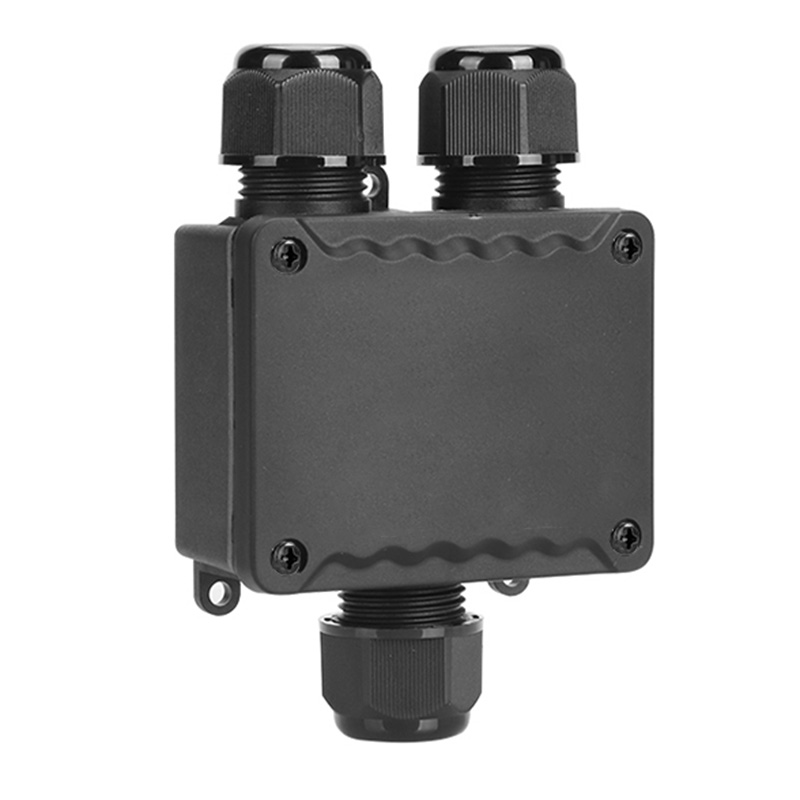
Outdoor junction solutions
-
Cable strain relief structures
-
Customized cable assemblies
For OEM lighting manufacturers, using a customized cable assembly can help match connector configuration, cable length and installation requirements to the equipment design.
This may reduce additional assembly work and help improve consistency during production.
The Most Reliable Outdoor Connection Is Planned Before Installation
Outdoor lighting reliability depends on more than the performance of the lighting fixture itself. Every cable connection must also continue operating under the environmental conditions of the installation.
A suitable outdoor cable connector can help address water and dust exposure, cable stress and long-term connection reliability when it is correctly matched to the cable and application.
For demanding outdoor projects, engineers should evaluate protection ratings, electrical specifications, cable compatibility, locking structures and installation conditions as part of the same decision.
E-Weichat provides waterproof connector solutions, outdoor cable connectors and customized cable assemblies for demanding industrial and outdoor applications. Connector configurations can be evaluated according to actual cable, electrical, installation and environmental requirements.
Frequently Asked Questions
What should I consider when choosing an outdoor cable connector?
Key factors include voltage and current requirements, cable diameter, number of contacts, IP protection level, installation method and the expected outdoor environment.
Are IP68 connectors suitable for outdoor lighting systems?
IP68 connectors can be suitable for demanding outdoor applications requiring a high level of protection against dust and water ingress. The selected connector and assembled cable system should still be matched to the specific installation requirements.
Why is cable strain relief important for outdoor connectors?
Cable strain relief helps manage pulling and bending forces at the connector entry point. This can reduce mechanical stress transferred toward the electrical termination and support more reliable long-term cable connections.
-
Fast and Convenient
-
Customization
- Need a technical consultant to answer your questions?
-
-
Hot Promoted Products
Recommend current hot products to you